June 2026 Economic Releases Traders Should Watch | prop.best
June 2026 is a reminder that futures traders do not trade charts in a vacuum. They trade around calendars, and the calendar for U.S. data releases can matter more than any single indicator on a 1-minute chart. The Bureau of Labor Statistics schedule shows a dense run of releases through the month, including Productivity and Costs on June 4, Employment Situation on June 5, CPI and Real Earnings on June 10, PPI on June 11, Employer Costs for Employee Compensation on June 12, Import and Export Price Indexes on June 16, State Employment and Unemployment on June 23, the American Time Use Survey on June 25, JOLTS on June 30, and the next Employment Situation on July 2. All times are Eastern Time.
For traders, that matters because macro releases can change volatility, liquidity, and the quality of intraday setups in a matter of seconds. You do not need to trade every release. In fact, most traders should not. What you do need is a plan for how releases affect the session before you decide whether to carry risk, reduce size, or stay flat. Prop firm traders should take that even more seriously because a single violent move can hit a trailing threshold, a daily loss limit, or a consistency constraint faster than a normal retail account would care.
Key June dates
The right response is not to predict the number with confidence. It is to know what kind of market each release tends to create. CPI and payroll-style releases often bring the cleanest but most dangerous volatility because the move can be immediate and one-sided. PPI and ECEC can still matter, but they often influence the broader tone more than the first five seconds of the move. JOLTS can shape rate expectations indirectly. Once you understand that hierarchy, your decisions become cleaner.
For prop firm traders, the biggest danger is not missing the move. It is letting a release distort the account’s risk profile. If you are in a trailing drawdown account, an early adverse spike can tighten the margin for the rest of the day. If you are in a payout or consistency structure, one oversized win or loss can warp the account’s profile for the week. The solution is boring but effective: reduce size before the release, flatten before the event, or wait until the first wave of volatility is gone.
Nasdaq futures usually react sharply to inflation and labor data because those numbers influence the path of rates and growth expectations. Strong inflation can pressure equities and lift volatility. Weak labor can be read as growth-negative or rate-positive depending on the broader context. Traders do not need to over-explain the move in real time. They just need to know that the move can happen and that the first candle after the release is often the least reliable candle of the day.
Prop firms care because their rules interact with volatility in uncomfortable ways. A market that is “tradable” in a retail account can be toxic in a funded account if you ignore session limits or try to recover too quickly after a release spike. The trader with a sound plan understands the difference between opportunity and obligation. You do not owe the market a trade just because the release calendar is busy.
A practical response is to divide release days into three categories. Category one: high-impact, flat-before-release days like CPI and payroll-style events. Category two: medium-impact days where you can trade but should expect wider intraday swings, such as PPI or ECEC. Category three: low-impact days where normal setups may be tradable if price action remains clean. The point is not perfection. The point is to have a rule that keeps you from improvising under pressure.
Another useful adaptation is to build a post-release checklist. Ask whether the first move was overextended, whether the market has formed a clean pullback, whether the new regime is trending or mean-reverting, and whether your risk limit still allows the trade. That checklist keeps you from taking the first candle out of excitement. It also reduces the odds that you will mistake an initial spike for a durable trend.
Later in the month, JOLTS and the state labor data can matter more if the market is already sensitive to employment or wages. When traders talk about “secondary releases,” they often underestimate them. But if the broader macro narrative is already fragile, secondary releases can be enough to change the overnight tone or set up the next day’s opening range. That is why a serious intraday trader keeps the calendar open even on days that are not headline-heavy.
If you want to think like a prop trader rather than a headline chaser, the rule is simple: trade the calendar, not the emotion around the calendar. The release tells you when volatility is likely to expand. Your job is to decide whether that volatility is a friend or a threat for your current account state. That decision should be made before the bell, not after the move has already happened.
Trading playbook
Use smaller size or no size before major releases. If you already hold risk, know the exact invalidation level and whether the account can absorb a spike without breaching a rule. After the release, wait for the first reaction to stabilize before treating it as a setup. That single habit will save more accounts than any indicator. It is much easier to survive a missed move than to survive a release-induced failure.
For more on day-to-day risk control, read our risk management guide and our futures overview. Those pages help place the calendar inside a larger trading process.
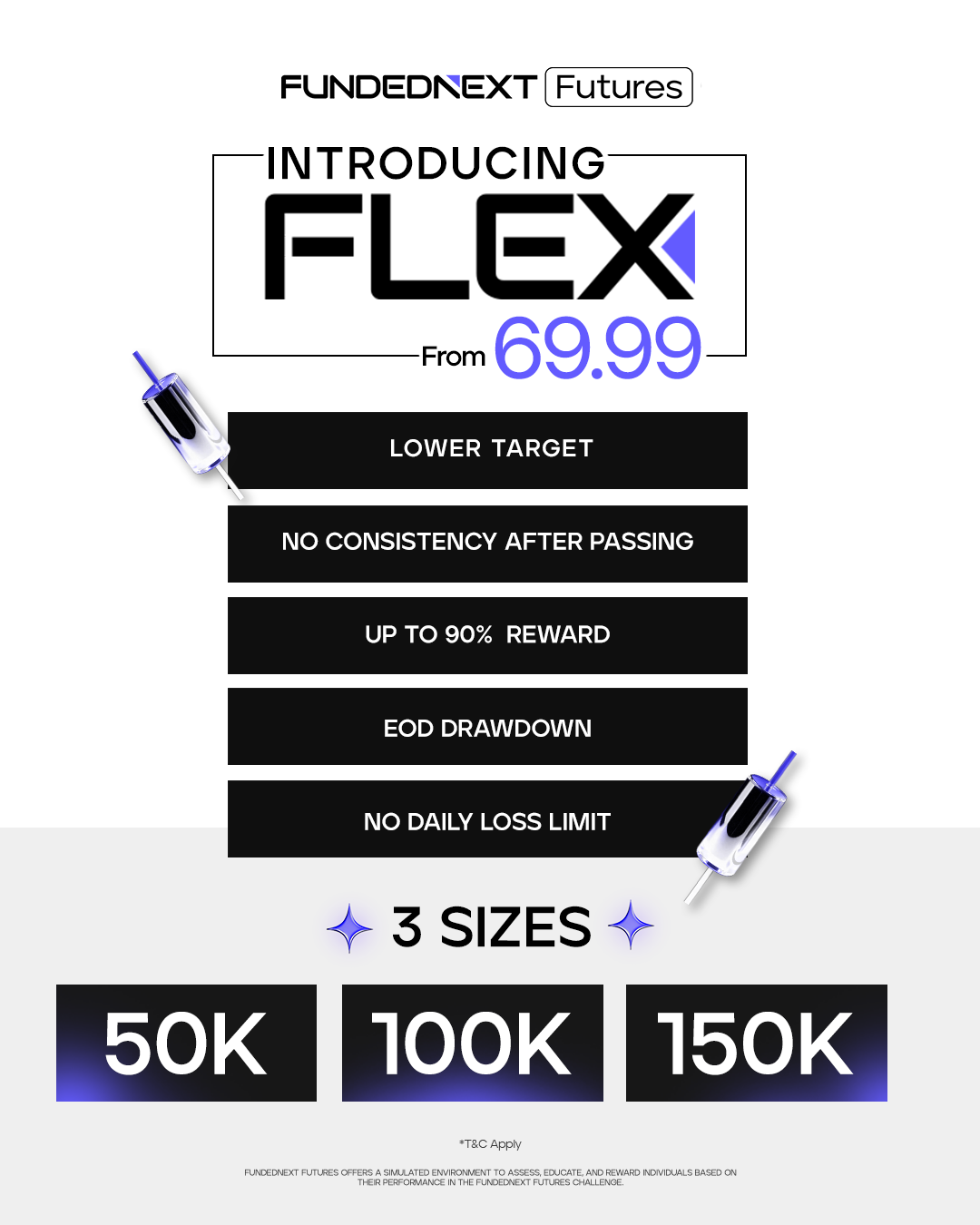
Start Challenge with FundedNext Futures if you want a futures environment where respecting volatility windows matters from day one.
FAQ
Should I trade every major release?
No. Most traders should only trade the releases they understand well enough to manage with a written plan.
What is the biggest mistake on release days?
The biggest mistake is treating the first candle as if it were the entire move and over-sizing into the initial spike.
Why does the calendar matter for prop firms?
Because prop-firm rules can turn a normal release spike into a rule breach much faster than a retail account would.
Sources
Disclosure: This article contains affiliate links to prop trading firms. If you sign up through these links, prop.best may earn a small commission at no extra cost to you. We only recommend firms we consider suitable for different types of traders.