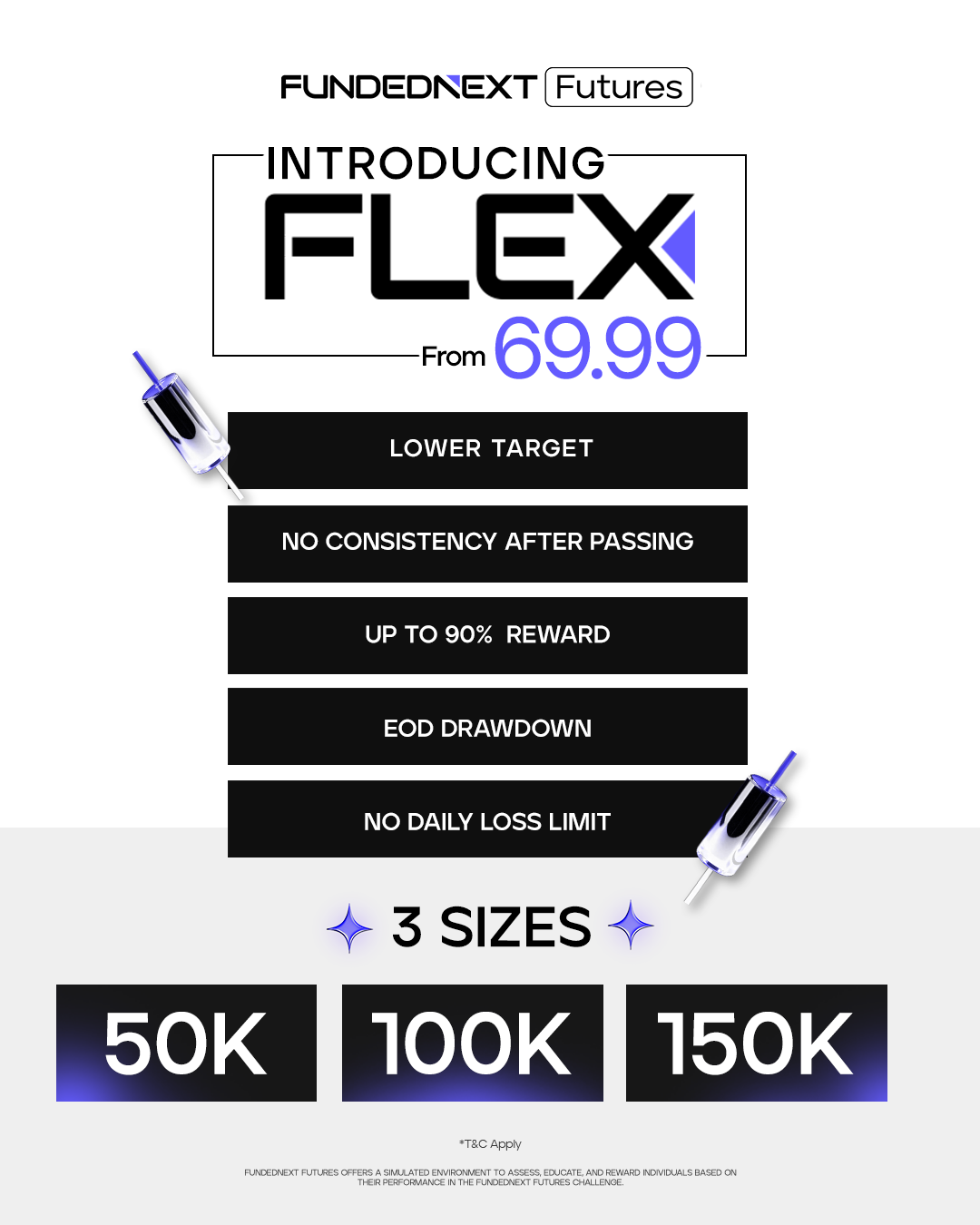
Navigating the dynamic world of prop trading in 2026 requires a discerning eye and a systematic approach. With an ever-growing landscape of proprietary trading firms, each offering unique opportunities and challenges, making the right choice can feel overwhelming. To empower you in your quest for the perfect prop trading partner, we’ve crafted a comprehensive review template. This template, designed for 2026, will guide you through the critical aspects of evaluating firms, ensuring you make an informed decision that aligns with your trading goals and risk tolerance. We'll be using this template to dissect some of the leading firms in the market: FTMO, TopStep, The5ers, FundedNext, and Apex Trader Funding.
Why a Standardized Review Template is Crucial for 2026
In 2026, the prop trading industry continues to mature, offering more sophisticated evaluation processes and diverse funding models. However, this growth also means increased complexity. A standardized review template acts as your compass, allowing you to objectively compare firms across key metrics. It helps you cut through marketing jargon and focus on the tangible aspects that will directly impact your trading journey. By consistently applying this framework, you can identify the firms that offer the best combination of affordability, profitability potential, and supportive trading environments.
Your 2026 Prop Trading Firm Review Template Breakdown
This template is designed to be thorough, covering all essential elements you need to consider when choosing a prop trading firm in 2026. We'll explore each section in detail, providing insights into what to look for and why it matters.
1. Challenge Fees & Evaluation Costs (2026 Edition)
The initial investment is often the first hurdle. Understanding the challenge fees and the structure of the evaluation process is paramount. In 2026, firms offer a range of fee structures, from one-time payments to tiered pricing based on account size. Consider not just the upfront cost, but also the value you receive in return – access to capital, trading tools, and educational resources.
- Fee Structure: Is it a one-time fee, a recurring subscription, or tiered based on account size?
- Refundability: Are the fees refundable upon passing the challenge or reaching certain profit targets?
- Number of Attempts: How many attempts are allowed to pass the challenge? Are there additional fees for retries?
- Account Sizes Offered: What are the different account sizes available, and how do their fees correlate?
- Value Proposition: Does the fee seem justified by the potential capital allocation and other benefits?
2. Profit Split & Payout Structure (2026 Insights)
This is where the real earning potential lies. The profit split dictates how much of your trading profits you get to keep. In 2026, profit splits have become increasingly competitive, with many firms offering generous percentages. It's also important to understand the payout schedule and minimum withdrawal thresholds.
- Percentage Split: What percentage of the profits do you keep? (e.g., 80/20, 90/10)
- Scaling Plan: Does the profit split increase as you consistently generate profits?
- Payout Frequency: How often can you withdraw your profits (e.g., weekly, bi-weekly, monthly)?
- Minimum Withdrawal Amount: Is there a minimum amount required before you can request a payout?
- Drawdown Rules Impact: How do drawdown rules affect your ability to take profits?
3. Trading Rules & Risk Management (The Core of 2026 Prop Trading)
The rules set by a prop firm are designed to protect both the firm and the trader. In 2026, these rules are more sophisticated, often incorporating advanced risk management parameters. Understanding these rules is crucial to avoid violating them and losing your funded account.
- Daily Loss Limit: What is the maximum percentage of your account balance you can lose in a single day?
- Maximum Drawdown: What is the overall maximum percentage of your account balance you can lose before failing the challenge or losing your funded account?
- Profit Target: What is the minimum profit you need to achieve to pass the challenge?
- Trading Days Requirement: Is there a minimum number of trading days required to pass the challenge?
- Allowed Trading Styles: Are certain trading styles (e.g., scalping, news trading) restricted?
- Weekend/Overnight Holding: Are you allowed to hold positions overnight or over the weekend?
- News Trading Restrictions: Are there specific rules around trading during major news events?
- Expert Advisor (EA) Usage: Are EAs permitted? If so, are there any restrictions?
4. Trading Platforms & Tools (2026 Technology)
The trading platform is your gateway to the markets. In 2026, firms offer a variety of platforms, from industry-standard MetaTrader 4/5 to proprietary solutions. Consider the platform's features, reliability, and the availability of essential trading tools.
- Platform Availability: What trading platforms are offered (e.g., MT4, MT5, cTrader, proprietary)?
- Chart Functionality: How robust are the charting tools, indicators, and drawing capabilities?
- Order Execution Speed: How fast and reliable is the order execution?
- Market Data Feed: Is the market data real-time and accurate?
- Additional Tools: Are there any proprietary tools, analytics, or news feeds provided?
- Mobile Trading: Is there a reliable mobile trading app?
5. Funding Options & Account Types (2026 Opportunities)
Once you pass the evaluation, you'll be offered a funded account. Understanding the different funding options and account types available in 2026 is key to maximizing your potential. This includes the size of the funded account, the leverage offered, and any specific conditions attached.
- Funded Account Sizes: What are the typical sizes of funded accounts offered?
- Leverage Ratios: What is the maximum leverage available on funded accounts?
- Asset Classes: What financial instruments can you trade (e.g., Forex, Indices, Commodities, Stocks, Crypto)?
- Commissions & Spreads: What are the trading costs associated with funded accounts?
- Additional Funding Tiers: Are there opportunities to scale up your funded account based on performance?
6. Pros & Cons: A Balanced 2026 Perspective
Every prop trading firm has its strengths and weaknesses. This section is dedicated to providing a balanced overview, highlighting the key advantages and disadvantages of each firm based on our 2026 analysis.
- Pros: What are the standout features and benefits of the firm?
- Cons: What are the potential drawbacks or limitations?
2026 Prop Trading Firm Comparison: FTMO vs. TopStep vs. The5ers vs. FundedNext vs. Apex Trader Funding
Now, let's apply our comprehensive 2026 template to some of the most popular prop trading firms. This comparison will provide you with a clear, data-driven overview to aid your decision-making process.
| Feature | FTMO (2026) | TopStep (2026) | The5ers (2026) | FundedNext (2026) | Apex Trader Funding (2026) |
|---|---|---|---|---|---|
| Challenge Fees (Starting) | €165 (for 100k account) | $150 (for 1 Step) | $59 (for 5k account) | $25 (for 25k starter) | $30 (for 25k account) |
| Profit Split | Up to 90% | 80% | Up to 80% | Up to 90% | Up to 90% |
| Daily Loss Limit | 5% | 5% | 5% | 5% | 5% |
| Maximum Drawdown | 10% | 10% | 10% | 10% | 6% (for 1-step) / 10% (for 2-step) |
| Profit Target (Phase 1) | 10% | 6% (1 Step) / 4% (2 Step) | 10% | 8% (Express) / 5% (Standard) | 10% (1-step) / 5% (2-step) |
| Trading Days (Phase 1) | 14 days | 15 days (1 Step) / 10 days (2 Step) | 5 days | 5 days (Express) / 10 days (Standard) | 10 days (1-step) / 5 days (2-step) |
| Trading Platforms | MT4, MT5, DXtrade | NinjaTrader, MT4, ATAS | MT5, DXtrade | MT4, MT5 | Proprietary Platform, MT4, MT5 |
| Asset Classes | Forex, Indices, Commodities, Crypto, Stocks | Futures (Indices, Commodities, FX, Crypto) | Forex, Indices, Commodities, Crypto | Forex, Indices, Commodities, Crypto | Futures (Indices, Commodities, FX, Crypto) |
| Funding Options (Max) | Up to $200,000 | Up to $150,000 | Up to $200,000 | Up to $400,000 | Up to $300,000 |
| Pros | Excellent reputation, comprehensive educational resources, generous profit split, diverse asset classes, scaling plan. | Focus on futures, strong community, clear rules, good platform options, potential for high payouts. | Fast evaluation, low entry fees, good profit split, wide range of assets, scaling opportunities. | Very competitive fees, high profit potential, rapid scaling, diverse account types, good customer support. | Excellent for futures traders, generous profit split, clear rules, good platform choice, rapid funding. |
| Cons | Can be perceived as slightly more challenging to pass than some competitors. | Primarily futures-focused, which might not suit all traders. | Some traders find the profit target slightly aggressive for beginners. | Newer firm compared to some, but rapidly gaining traction. | Maximum drawdown can be restrictive for some trading styles. |
Note: All data is based on information available and projected for 2026. Specific details and offers can change. Always verify directly with the prop trading firm.
Leveraging 2026 Discounts and Offers
In the competitive prop trading market of 2026, firms frequently offer discounts and promotions to attract new traders. Keep an eye out for:
- Seasonal Sales: Black Friday, New Year's, and other holidays often bring significant price reductions.
- Partnership Discounts: Many prop firms partner with trading educators or communities, offering exclusive discounts to their members.
- Bundle Deals: Some firms might offer discounts when purchasing multiple challenges or larger account sizes.
- Early Bird Specials: For new firm launches or new product offerings, early adopters often receive preferential pricing.
Always check the "Offers" or "Promotions" section of the prop trading firm's website, or subscribe to their newsletters, to stay informed about the latest deals. At prop.best, we strive to keep you updated on the best available discounts.
Frequently Asked Questions (2026 Edition)
Q1: What is the best prop trading firm for beginners in 2026?
For beginners in 2026, firms like The5ers and FundedNext often stand out due to their lower entry fees, faster evaluation processes, and clear rules. FTMO is also a strong contender due to its extensive educational resources, which can be invaluable for those new to prop trading.
Q2: Are there any prop trading firms that offer 100% profit split in 2026?
While 100% profit splits are rare in 2026, many firms offer up to 90% or even 95% profit splits, which is highly competitive. Always check the specific terms and conditions, as sometimes a higher split might come with slightly different rules or account management structures.
Q3: Can I use Expert Advisors (EAs) with prop trading firms in 2026?
Yes, many prop trading firms in 2026 allow the use of Expert Advisors (EAs). However, it's crucial to check the firm's specific policy on EAs. Some may have restrictions on certain types of EAs or require them to be tested and approved.
Q4: What are the biggest risks of prop trading in 2026?
The primary risks in 2026 remain the potential loss of your initial challenge fee and the psychological pressure of trading with strict rules. Over-trading, emotional decision-making, and failing to adhere to risk management parameters are common pitfalls.
Q5: How do I choose the right asset class to trade with a prop firm in 2026?
The choice of asset class depends on your trading style, knowledge, and risk tolerance. Forex offers high liquidity and leverage, futures provide access to diverse markets, commodities are influenced by global supply and demand, and cryptocurrencies offer high volatility. Research each asset class thoroughly and consider which aligns best with your trading strategy.
Conclusion: Your Path to Prop Trading Success in 2026 Starts Here
Choosing the right prop trading firm in 2026 is a pivotal decision that can significantly impact your trading career. By utilizing this comprehensive review template and understanding the nuances of challenge fees, profit splits, rules